
custom tempered glass
In the world of precision manufacturing and quality control, threaded ring gauges play a crucial role in ensuring the accuracy of external threads. These gauges, with their through end and stop end, are indispensable tools for verifying the correct size of threads. Storaen (Cangzhou) International Trading Co., a renowned manufacturing company based in Botou, China, has made a name for itself by specializing in a wide array of high-quality industrial products, including thread ring gauges . Their commitment to precision engineering and strict quality control, combined with the strategic advantage of being located in a major casting hub, allows them to produce reliable gauges that meet the highest industry standards. However, like any measurement tool, threaded ring gauges are subject to measurement uncertainty. Understanding this uncertainty is vital for obtaining accurate and reliable measurement results. Threaded ring gauges come in various specifications, such as coarse, fine, and pipe threads, and different accuracy grades, with some gauges not having a stop end based on specific pitch and accuracy requirements. Understanding Measurement Uncertainty in Threaded Ring Gauges Definition and Significance: Measurement uncertainty for threaded ring gauges refers to the range of values within which the true measurement of an external thread's size likely lies. It accounts for all possible sources of error during the measurement process. Recognizing this uncertainty is significant because it provides a more realistic assessment of the measurement results. Without understanding uncertainty, the accuracy of thread measurements using thread gauge rings could be overestimated, potentially leading to defective products and production issues. Role in Quality Control: In quality control processes, thread ring gauge measurement uncertainty helps manufacturers make informed decisions. By knowing the range of uncertainty, they can set appropriate tolerance limits for thread sizes. If the measurement results, along with their associated uncertainty, fall within the acceptable tolerance range, the threads can be considered compliant. This ensures that products meet the required quality standards and function properly in various applications. Factors Affecting Threaded Ring Gauge Measurement Uncertainty Gauge Manufacturing Tolerances: The precision with which threaded ring gauges are manufactured directly impacts measurement uncertainty. Variations in the gauge's thread profile, pitch, and diameter during production can introduce errors. For example, a thread ring gauge with a slightly incorrect pitch may give inaccurate readings when measuring the threads of a component. High-quality manufacturers like Storaen (Cangzhou) International Trading Co. employ strict manufacturing processes to minimize these tolerances and reduce measurement uncertainty. Operator Skills and Technique: The person using the thread gauge ring can also contribute to measurement uncertainty. Incorrect handling, such as applying too much or too little force during measurement, or improper alignment of the gauge with the thread, can lead to inconsistent results. Experienced operators who are well-trained in the proper use of threaded ring gauges can significantly reduce this source of uncertainty. Environmental Conditions: Environmental factors like temperature, humidity, and vibration can affect the performance of threaded ring gauges . Changes in temperature can cause the gauge and the component being measured to expand or contract, altering the measured dimensions. Vibration can also disrupt the measurement process, leading to inaccurate readings. Controlling and monitoring these environmental conditions is essential for minimizing measurement uncertainty. Methods for Assessing Threaded Ring Gauge Measurement Uncertainty Type A Evaluation: This method involves statistical analysis of repeated measurements. By taking multiple measurements of the same thread using a thread ring gauge under similar conditions, the standard deviation of the measurement results can be calculated. This standard deviation represents the random component of the measurement uncertainty. For example, if a threaded ring gauge is used to measure the diameter of an external thread ten times, and the results vary slightly, the standard deviation will quantify this variability. Type B Evaluation: Type B evaluation relies on non-statistical information, such as manufacturer's specifications, calibration certificates, or prior knowledge of the measurement process. For instance, the manufacturer's stated tolerance for a thread gauge ring can be used to estimate a component of the measurement uncertainty. Combining Type A and Type B evaluations provides a comprehensive assessment of the overall measurement uncertainty for threaded ring gauges . Evaluation Method Description Example of Application for Threaded Ring Gauges Type A Evaluation Statistical analysis of repeated measurements Calculating the standard deviation from multiple thread diameter measurements using a thread ring gauge Type B Evaluation Using non-statistical information Incorporating the manufacturer's specified tolerance of a thread gauge ring into uncertainty calculations Reducing Threaded Ring Gauge Measurement Uncertainty Regular Calibration: Calibrating threaded ring gauges at regular intervals is crucial for reducing measurement uncertainty. Calibration ensures that the gauge's dimensions and performance are consistent with the required standards. By comparing the gauge's measurements with known reference standards during calibration, any deviations can be identified and corrected. This helps maintain the accuracy of the thread ring gauge over time. Proper Training for Operators: Providing comprehensive training to operators on the correct use of thread gauge rings can significantly reduce uncertainty caused by human error. Training should cover aspects such as proper handling techniques, correct alignment with the thread, and the appropriate amount of force to apply during measurement. Well-trained operators are more likely to obtain consistent and accurate results, minimizing measurement uncertainty. Controlled Measurement Environment: Creating a stable and controlled measurement environment is essential. This includes maintaining a consistent temperature and humidity level and minimizing vibrations. For example, using a temperature-controlled room for thread measurements with threaded ring gauges can prevent errors caused by thermal expansion or contraction, reducing overall measurement uncertainty. Threaded Ring Gauge FAQS Why is Measuring Uncertainty Important for Threaded Ring Gauges? Measuring uncertainty is crucial for threaded ring gauges because it provides a realistic assessment of the reliability of measurement results. In manufacturing, accurate thread measurements are essential for ensuring the proper fit and function of components. Without understanding uncertainty, there's a risk of accepting defective parts or rejecting good ones due to inaccurate measurements. By knowing the range of uncertainty, manufacturers can make more informed decisions, set appropriate tolerance limits, and maintain the quality of their products. How Can I Minimize Operator-Induced Uncertainty When Using Thread Ring Gauges? To minimize operator-induced uncertainty, proper training is key. Ensure that operators are well-versed in the correct handling techniques of thread ring gauges . This includes learning how to align the gauge accurately with the thread, applying the right amount of force during measurement, and following the correct measurement procedures. Regular practice and refresher courses can also help operators maintain their skills and reduce errors caused by improper usage. Can Environmental Conditions Significantly Affect Threaded Ring Gauge Measurements? Yes, environmental conditions can have a significant impact on threaded ring gauge measurements. Temperature changes can cause the gauge and the measured component to expand or contract, leading to incorrect readings. High humidity can also affect the surface properties of the gauge and the thread, potentially introducing errors. Vibration during measurement can disrupt the process and result in inaccurate measurements. Therefore, it's important to control and monitor environmental factors to minimize their influence on measurement uncertainty. How Often Should I Calibrate My Thread Gauge Rings? The calibration frequency for thread gauge rings depends on several factors, such as the frequency of use, the criticality of the measurements, and the stability of the gauge. In general, it's recommended to calibrate threaded ring gauges at least once a year. However, if the gauges are used frequently or in high-precision applications, more frequent calibration, such as every six months or even quarterly, may be necessary. Regular calibration helps ensure that the gauges maintain their accuracy and reliability over time. Where Can I Find High-Quality Threaded Ring Gauges? For high-quality threaded ring gauges , visit the official website of Storaen (Cangzhou) International Trading Co. As a leading manufacturer with a reputation for excellence, they offer a wide range of reliable thread ring gauges . Their commitment to precision engineering, strict quality control, and access to top-tier raw materials ensures that their gauges meet the highest industry standards. Explore their product catalog, learn about the different specifications and features, and find the perfect threaded ring gauges for your measurement needs. Ready to enhance the accuracy and reliability of your thread measurements? Visit the www.strmachinery.com of Storaen (Cangzhou) International Trading Co. and discover our top-notch threaded ring gauges . With our high-quality products and in-depth understanding of measurement uncertainty, take your precision manufacturing and quality control to the next level!
about
custom tempered glass
The Importance of Custom Built Welding Tables In the world of welding, precision and efficiency are paramount. The nature of welding involves fusing materials together, which requires not only skill but also the right tools to ensure a successful outcome. One of the most critical tools in the welding process is the welding table. Standard tables may not always meet the specific needs of a welding project, which is why custom built welding tables have become increasingly popular among professionals and hobbyists alike. Understanding Custom Built Welding Tables Custom built welding tables are designed and fabricated to meet the exact requirements of a welder's specific projects. These tables can vary in size, shape, material, and features based on the individual needs of the user. For instance, a fabricator working on larger projects might require a table that can accommodate bigger pieces of metal, while a precision welder might need a table with specific clamping mechanisms to ensure the parts remain secure during the welding process. Benefits of Customization 1. Tailored Features One of the most significant advantages of custom welding tables is the ability to add tailored features. This includes adjustable heights, built-in clamps, tool holders, and even integrated power sources for operating welding equipment. When the welder can access all required tools and equipment within close proximity, workspace efficiency is greatly enhanced. 2. Material Choices Welders often have specific material preferences based on the types of welding they perform. Custom tables can be constructed from various materials such as steel, aluminum, or other composites that suit specific welding techniques, whether it be MIG (Metal Inert Gas), TIG (Tungsten Inert Gas), or stick welding. This flexibility ensures that the table will withstand the heat and chemical exposure typical of welding environments. 3. Optimized Layout The configuration of a workspace is crucial for productivity. A custom table allows for an optimized layout that maximizes the available space in the workshop. By designing a welding table that fits perfectly within the physical workspace and accommodates specialized equipment, welders can create a more organized and productive environment. 4. Increased Safety Welding can be hazardous, and having a dedicated, custom table can help improve safety in the workplace. Custom tables can include features such as ground clamps and secure storage for welding supplies, reducing the clutter and potential hazards associated with having equipment strewn across a workshop. custom built welding tables 5. Enhanced Durability Custom tables are often built with stronger materials and finishes compared to standard tables . This enhanced durability means that these tables can withstand the rigors of heavy use over time, which is especially important in industrial settings where they are used daily. Considerations for Building Custom Tables When embarking on the journey of creating a custom-built welding table, several factors need to be considered - Size and Space Assessing the available space in your workshop is crucial. A table that is too large can impede movement, while one that is too small may not provide adequate workspace for larger projects. - Features and Attachments Determine what additional features will enhance your workflow. Consider whether integrated tool storage, mobility, adjustable height, or specialized clamps are necessary. - Budget Customization often comes with increased costs. Setting a budget that accounts for the materials, features, and potential labor involved in building a custom table is essential. - Future Needs Think about not just current projects, but also future ones. A table that can adapt to changing projects will prove beneficial in the long run. Conclusion Custom built welding tables represent an investment in efficiency, safety, and quality for any welding professional. By providing the flexibility to tailor features, materials, and designs, these tables enhance the overall welding experience. Whether for a professional shop or a home garage, a custom welding table can significantly improve how welders approach their craft, making it a worthwhile consideration for anyone serious about their work in welding. As projects and techniques evolve, the need for tailored solutions becomes even more critical, ensuring that the welding process is not only effective but also enjoyable.
-

High quality industrial productsagement

High quality industrial products
View Details -

Meet the diverse needs of customers

Meet the diverse needs of customers
View Details -

Strict quality control

Strict quality control
View Details -

Top raw materials

Top raw materials
View Details -

Trusted supplier

Trusted supplier
View Details
Our application

news and information
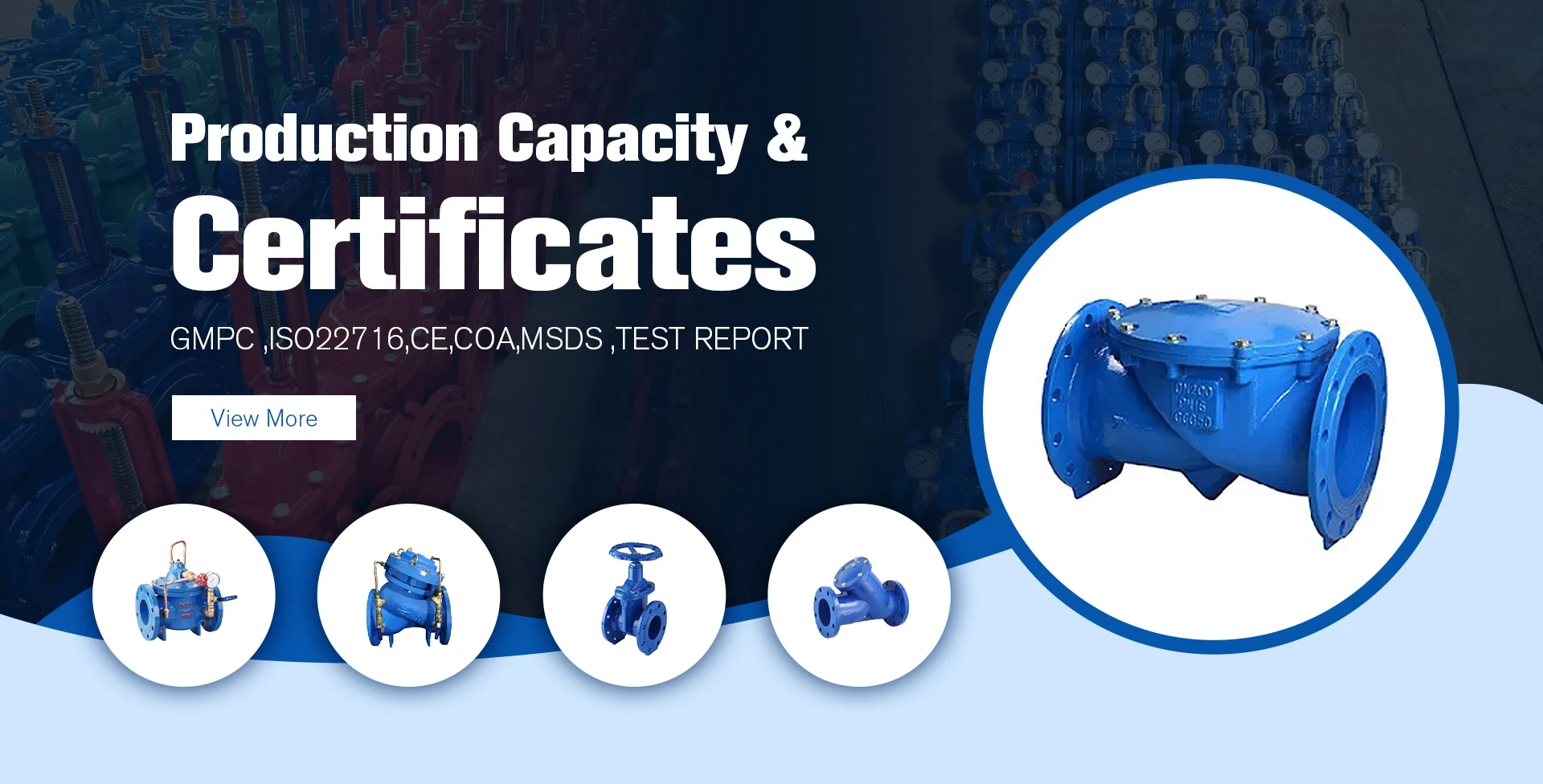
water pressure regulating valve
Understanding Water Pressure Regulating Valves A Key Component for Efficient Plumbing Systems Water

Using a Level for Accurate Measurements with a Marking Ruler
Using a Marking Ruler with Spirit Level A Guide to Precision in Projects When it comes to achieving
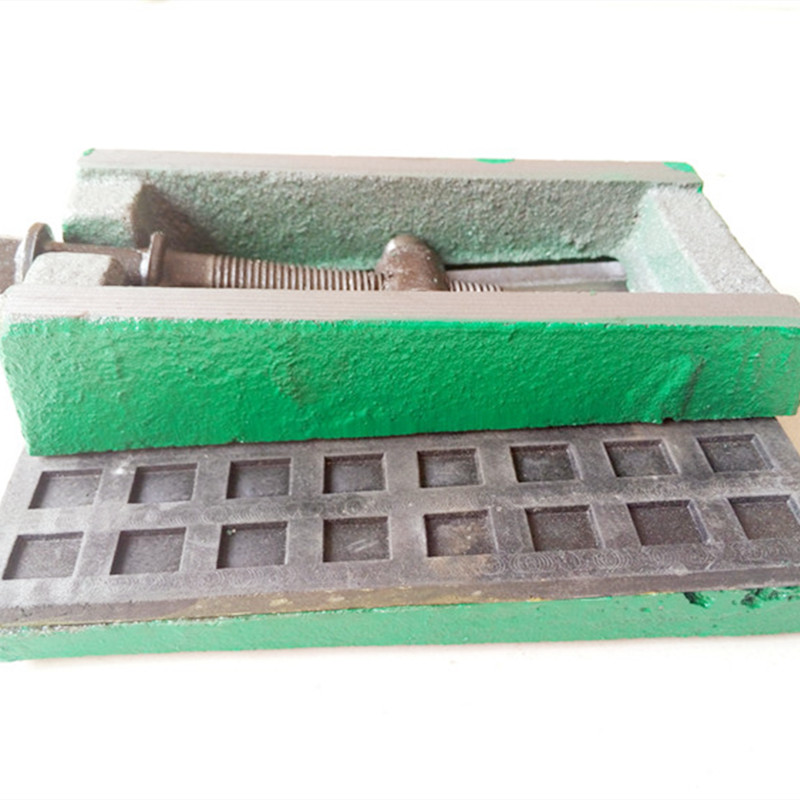
Vertical Y Strainer Design and Applications in Fluid Management Systems
Understanding Vertical Y Strainers Essential Components for Fluid Systems In the world of fluid mana
 English